
Are you a high-income professional or business owner making $200K+ a year, yet still feel a gnawing anxiety about your financial future? You’re making good money, but you’re not confident it’s being invested or protected optimally. Perhaps you’re overwhelmed by financial complexity – multiple accounts, stock options, real estate, business equity – with no unified plan. Or maybe you’re worried about retirement readiness, fearing you won’t actually be able to maintain your lifestyle after decades of hard work.
You’re not alone. Many successful individuals grapple with these exact concerns, and often, their current financial solutions just aren’t cutting it. They’re left wondering if their advisor is truly acting in their best interest or just selling products for commissions, or if a market crash could wipe out years of savings.
This is precisely why video advertising has become an indispensable tool for modern financial advisors. But not just any video. We’re talking about financial advisory video scripts frameworks that are specifically designed to cut through the noise, address these deep-seated fears, and position you as the trusted, comprehensive solution.
Generic, product-focused ads simply don’t resonate with a sophisticated audience looking for a fiduciary partner. What they need are clear, empathetic, and actionable messages that demonstrate you understand their unique challenges and can deliver their desired result: complete financial confidence.
In this guide, we’ll dive into the proven frameworks that will help you craft compelling video ads for financial advisors, ensuring your message connects, converts, and helps you attract the high-value clients you’re built to serve.
Why Traditional Financial Advisor Ads Fall Flat (And How Video Changes the Game)
For decades, financial advisory marketing often relied on staid, corporate imagery and jargon-filled brochures. The problem? This approach fails to build the most critical component in financial relationships: trust.
The Trust Deficit in Financial Services
One of the biggest fears high-income individuals have is being taken advantage of by a financial advisor who prioritizes their own commissions over the client’s outcomes. They’ve heard stories, or perhaps even experienced situations, where advisors pushed products that weren’t truly aligned with their best interests. This leads to a significant “trust deficit” in the industry.
Many potential clients object, saying, “I can manage my own investments using index funds and robo-advisors for a fraction of the cost.” Or, “How do I know you’re really a fiduciary and not just saying that to win my business?” These objections stem from a lack of transparency and a perceived commoditization of financial advice. Traditional ads rarely overcome these deeply ingrained hesitations.
How Video Builds Authority and Connection
Video, however, offers a unique opportunity to bridge this trust gap. It allows you to:
- Showcase Your Personality: Let your audience see the real you. Your demeanor, tone of voice, and genuine empathy can shine through, building rapport before they even pick up the phone.
- Educate and Empower: Break down complex financial concepts into digestible, easy-to-understand segments. This demonstrates your expertise without being condescending, empowering viewers with knowledge.
- Establish Fiduciary Credibility: Directly address the “fee-only vs. commission-based” debate. Explain your mechanism – fee-only fiduciary financial planning – and why it’s fundamentally different, focusing on their best interest.
- Humanize Your Brand: In an industry often perceived as cold and numbers-driven, video allows you to connect on a human level, transforming you from a faceless institution into a trusted partner.
Effective financial advisory video ads don’t just inform; they build a relationship. They address the biggest fears head-on – running out of money in retirement, making irreversible tax mistakes – and offer a clear path to their desired result: complete financial confidence.
The Core Components of a High-Converting Financial Advisory Video Script

Every successful video ad, regardless of the specific framework, contains several non-negotiable elements. Think of these as the building blocks for any powerful financial advisory video script.
Hook: Grab Attention Instantly
You have mere seconds to stop the scroll. Your hook needs to be sharp, relevant, and immediately resonate with a core pain point or desire of your target audience: high-income professionals and business owners aged 35-60 earning $200K+.
- Examples:
- “If you earn over $200K and don’t have a proactive tax strategy, you’re overpaying by at least $30,000 a year.”
- “My client thought she was on track for retirement. When we ran the numbers, she was $1.2 million short.”
- “Most financial advisors won’t tell you this, but the way they get paid is designed to benefit them, not you.”
For more ideas and inspiration, check out our comprehensive library of financial advisory video ad hooks.
Problem: Empathize with Their Pain
Once you have their attention, immediately dive deeper into the problem. Demonstrate that you truly understand their struggles. Use language that mirrors their internal monologue.
- Key Pains to Address:
- Making good money but not confident it’s being invested or protected optimally.
- Overwhelmed by financial complexity (multiple accounts, stock options, business equity).
- Worried about retirement readiness and maintaining their lifestyle.
- Fears of running out of money, market crashes, or being taken advantage of.
- Mistakes like keeping too much cash or not doing comprehensive tax planning.
Solution: Introduce Your Mechanism
This isn’t just about selling a service; it’s about presenting a specific, unique mechanism that solves their problems. For financial advisors, this is often your unique approach to comprehensive planning.
- Focus on Your Mechanism: Fee-only fiduciary financial planning combining investment management, tax strategy, retirement projections, estate planning coordination, and ongoing quarterly reviews with a dedicated advisor.
- Highlight the “How”: Explain how your approach tackles their complexity and delivers peace of mind.
Proof/Credibility: Why You?
In a crowded market, you need to establish why you are the right advisor. This isn’t just about credentials; it’s about demonstrating your commitment to their success.
- Fiduciary Status: Reiterate your fee-only, fiduciary status.
- Client Stories (anonymized): Briefly mention how you’ve helped clients achieve specific results (e.g., “We helped a business owner save $180K in taxes before selling his company.”).
- Expertise: Highlight your specialization in high-income professionals, business owners, or specific complex situations.
Call to Action: The Next Step
Be crystal clear about what you want them to do next. Remove any friction and make it easy.
- Examples:
- “Schedule a complimentary financial clarity session to see where your biggest opportunities and gaps are.”
- “Request a free retirement readiness analysis to find out exactly where you stand.”
- “Book a second-opinion review of your current financial plan – no obligation, no sales pitch.”
Remember, the goal isn’t necessarily to close a deal on the first click, but to move them to the next logical step in your sales funnel.
Proven Video Ad Script Frameworks for Financial Advisors
Now, let’s put these components together into powerful financial advisory video scripts frameworks that are proven to resonate with your target audience.
1. The “Myth vs. Reality” Framework
This framework is excellent for addressing common misconceptions and objections directly, positioning you as the knowledgeable expert who dispels financial myths. It’s particularly effective against objections like “I can manage my own investments” or “My accountant handles everything.”
Script Outline:
- Hook (Myth): Start by stating a common belief or mistake your target audience makes.
- Example: “You’re earning $300K a year, and you’re confident you’re investing wisely with your DIY approach. But what if that confidence is costing you hundreds of thousands?”
- Problem (Agitate the Myth): Explain the negative consequences of believing this myth or making this mistake.
- Example: “Many high-income professionals believe keeping too much cash in savings or just using index funds is enough. But this often means losing value to inflation, missing out on crucial tax-efficient growth, and ignoring massive opportunities in estate and business planning. You’re treating investment management as the only component, when it’s just one piece of a much larger puzzle.”
- Solution (Reality): Present the truth, your unique approach, and how it delivers a superior outcome.
- Example: “The reality is, true wealth optimization for high earners goes far beyond simple investing. It requires a comprehensive, tax-efficient wealth plan that coordinates investment, tax strategy, retirement projections, and estate planning. As fee-only fiduciaries, we act as your financial architect, ensuring every piece works together to protect your family, grow your assets, and guarantee you can retire on your terms.”
- Call to Action: “Don’t leave hundreds of thousands on the table. Click below to request a complimentary second-opinion review of your current financial plan and discover what you might be missing.”
2. The “Problem-Agitate-Solve (PAS)” Framework
A classic for a reason, PAS focuses on a specific pain point, amplifies its impact, and then presents your service as the ultimate relief. This is great for tapping into fears like running out of money or making tax mistakes.
Script Outline:
- Hook (Problem): Immediately identify a clear, relatable problem your audience faces.
- Example: “Are you worried about running out of money in retirement, even after working your entire life to build wealth?”
- Agitate: Deepen the pain. Describe the negative emotions and potential consequences of this problem.
- Example: “It’s a terrifying thought: working for decades, building significant assets, only to realize you might not be able to maintain your lifestyle, or worse, outlive your savings. The complexity of multiple accounts, stock options, and navigating market volatility can make it feel impossible to get a clear picture, leaving you anxious and unsure if you’re truly on track.”
- Solve: Introduce your comprehensive solution and how it directly alleviates that pain.
- Example: “Imagine complete financial confidence – a comprehensive, tax-efficient wealth plan that protects your family, grows your assets, and guarantees you can retire on your terms. Our fee-only fiduciary financial planning provides precisely that. We unify your investments, tax strategy, and retirement projections into one coordinated plan, giving you peace of mind and clarity about your future.”
- Call to Action: “Ready to stop worrying and start planning with confidence? Schedule a complimentary financial clarity session today to see exactly where you stand.”
If you’re wondering how to create these compelling videos without being on camera yourself, platforms like Alters make it easy. An AI video ad generator can transform your scripts into professional videos using AI presenters, allowing you to focus on the message, not the production.
3. The “Desired Future” Framework
This framework paints a vivid picture of the ideal outcome your clients desire, positioning your service as the bridge to that future. It’s perfect for highlighting the positive results of your comprehensive planning.
Script Outline:
- Hook (Desired Future): Start by describing the ultimate outcome your client wants.
- Example: “Imagine waking up every day with complete financial confidence – knowing your wealth plan is optimized, your taxes minimized, and your retirement secure, no matter what the market does.”
- Current Reality (Contrast): Briefly contrast this ideal future with the frustrating reality they might be experiencing now.
- Example: “For many high-income professionals, this feels like a distant dream. Instead, they’re overwhelmed by complexity, constantly second-guessing investment decisions, and worried about making an irreversible tax or estate planning mistake that costs their family hundreds of thousands.”
- Your Solution (Bridge): Explain how your service makes that desired future a reality.
- Example: “We specialize in helping high-income individuals like you achieve this exact future. Through our fee-only fiduciary financial planning, we build a customized, tax-efficient wealth plan that integrates investment management, proactive tax strategy, retirement projections, and estate planning coordination. This isn’t just about managing money; it’s about architecting your financial freedom and peace of mind.”
- Call to Action: “Ready to build your roadmap to complete financial confidence? Click here for a free retirement readiness analysis and start planning for the future you deserve.”
Crafting Your Script: Niche-Specific Angles and Language
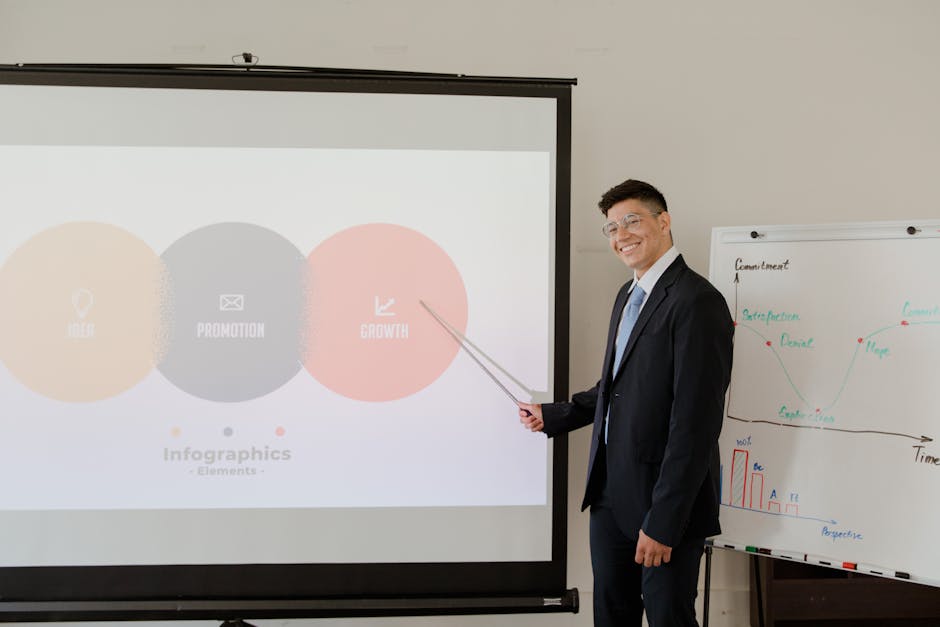
To truly connect, your scripts must go beyond generic advice and speak directly to the nuances of your target audience.
Speaking to High-Income Professionals and Business Owners
Your audience isn’t looking for basic budgeting tips. They’re navigating complex financial landscapes. Use language that reflects their reality:
- Specific Assets: Mention “stock options,” “business equity,” “real estate portfolios,” “multiple investment accounts.”
- Advanced Strategies: Talk about “tax-efficient investing,” “Roth conversions,” “tax-loss harvesting,” “entity structuring,” “estate planning coordination.”
- Life Transitions: Refer to “selling a business,” “inheritance,” “divorce,” “executive compensation.”
- High-Stakes Decisions: Emphasize avoiding “irreversible tax mistakes,” “wiping out years of savings,” or “leaving family unprepared.”
Addressing Common Objections Head-On
Use your scripts to preemptively counter common objections.
- “I can manage my own investments”: Highlight the comprehensive nature of your service beyond just investments.
- “How do I know you’re really a fiduciary?”: Clearly state your fee-only model and explain what fiduciary duty truly means.
- “I don’t have enough assets”: Focus on the value of proactive planning for future wealth, not just current assets.
- “My accountant and attorney already handle it”: Explain how you coordinate these elements into a unified, proactive strategy that they don’t provide.
Here’s a comparison to illustrate the difference:
| Feature | DIY/Robo-Advisor | Comprehensive Fiduciary Planning (Your Service) |
|---|---|---|
| Investment Scope | Limited to investment management | Holistic: investments, tax, estate, insurance, retirement |
| Tax Strategy | Minimal or none (basic tax-loss harvesting) | Proactive: Roth conversions, entity structuring, executive compensation |
| Personalization | Standardized algorithms, basic risk assessment | Custom plan for complex situations, multi-faceted wealth |
| Fiduciary Duty | Not always (some robo-advisors are) | Always (legally obligated to act in your best interest) |
| Coordination | Client responsible for coordinating professionals | Integrated approach, working with your CPA/attorney |
| Focus | Investment returns | Complete financial confidence, wealth preservation, tax minimization |
The Power of Storytelling
While you can’t share confidential client details, you can weave in anonymized success stories or scenarios that resonate. For example, “We recently helped a business owner who was about to sell his company, and by implementing X strategy, we saved him $180,000 in taxes that his previous advisor missed.” These narratives make your services tangible and illustrate the real-world impact you have.
For those concerned about appearing on camera, remember that tools like Alters offer solutions. You can create impactful video ads without camera by leveraging AI presenters, allowing your carefully crafted scripts to shine through professional visuals.
From Script to Screen: Production Tips for Financial Advisory Video Ads
Having a great script is the first step; bringing it to life effectively is the next.
Keep it Concise and Focused
While this article is long-form, your ads should be punchy.
- Meta (Facebook/Instagram): Aim for 15-60 seconds. Hooks are paramount here.
- YouTube: Can go longer (1-3 minutes) for more detailed explanations, especially for pre-roll or in-stream ads.
- LinkedIn: 30-90 seconds is often ideal for a professional audience, balancing detail with brevity.
Each platform has different optimal lengths, so tailor your script variations accordingly. The key is to deliver maximum value in minimum time.
Visuals and Branding
Professionalism is non-negotiable for financial advisory video ads.
- High-Quality Production: Whether you film yourself or use an AI video ad generator, ensure crisp visuals, clear audio, and professional editing.
- Branding Consistency: Use your firm’s colors, logo, and consistent messaging.
- Trustworthy Aesthetic: Avoid anything that looks cheap or unprofessional. Your visuals should reinforce your credibility and expertise.
Leveraging AI Video Tools
Not everyone is comfortable in front of a camera, and traditional video production can be expensive and time-consuming. This is where AI video tools like Alters come in. You can simply input your meticulously crafted financial advisory video scripts, and the platform will generate a professional video using AI presenters, complete with appropriate visuals and voiceovers. This allows you to scale your video ad efforts, test different scripts, and maintain a consistent brand presence without the hassle of filming. It’s a game-changer for financial advisors who want to leverage the power of video but prefer to stay behind the scenes.
What To Do Next
You’ve learned that effective financial advisory video ads aren’t about generic pitches; they’re about deeply understanding your audience’s pains, fears, and desires, and then crafting scripts that offer a clear, credible path to their desired future. By utilizing these financial advisory video scripts frameworks that we’ve outlined, you can create powerful, high-converting video ads that attract the right clients.
Don’t let the complexity of video production deter you. With tools like Alters, creating professional video ads is more accessible than ever, allowing you to focus on what you do best: providing exceptional financial guidance.
Ready to transform your financial advisory marketing?
- Choose a Framework: Select one of the frameworks (Myth vs. Reality, PAS, Desired Future) that best addresses a core pain point of your target audience.
- Draft Your Script: Use the components (Hook, Problem, Solution, Proof, CTA) to write your first draft, incorporating niche-specific language and objections.
- Refine and Test: Review for clarity, conciseness, and impact.
- Create Your Video: Whether you film it yourself or use an AI video ad generator like Alters, bring your script to life.
Take the first step towards attracting high-income professionals and business owners who are actively seeking comprehensive, fiduciary financial planning. Click here to schedule a complimentary financial clarity session and discover how a targeted video ad strategy can elevate your practice.