
Are you a dental practice owner or office manager facing the constant pressure of inconsistent new patient flow? Do you find yourself with empty chairs that cost your practice hundreds of dollars an hour in overhead? Perhaps you’re feeling the squeeze of declining insurance reimbursements, or struggling to compete against corporate dental chains that outspend independent practices on marketing by 10x.
You know you need to market your practice more effectively, and you’ve heard that video ads are the most powerful way to attract new patients. But here’s the problem: the thought of being on camera fills you with dread.
You’re not alone. Many dentists are fantastic clinicians but feel awkward or unnatural in front of a lens. The good news? You absolutely do not need to be on camera to create highly effective video ads that bring in a steady stream of quality new patients who accept comprehensive treatment plans.
This guide will show you exactly how to create dental practice video ads that resonate with your target audience, overcome common patient objections, and fill your schedule – all without you ever having to step in front of the camera.
Why Video Ads Are Non-Negotiable for Dental Practices (Even If You Hate the Camera)
Let’s be blunt: in today’s digital world, if you’re not using video to market your dental practice, you’re leaving money on the table. Patients today expect to see what your practice is like, meet your team, and understand procedures before they even pick up the phone.
Consider these common pain points and fears for dental practices:
- Inconsistent New Patient Flow: Some months are packed, others have expensive empty chairs. Video helps stabilize this by continuously attracting new leads.
- Declining Insurance Reimbursements: To maintain profitability, you need higher case acceptance on premium services like implants, Invisalign, and cosmetic work. Video is unmatched at educating patients and demonstrating the value of these procedures.
- Patients Treating Dentistry as a Commodity: When patients choose based purely on price or proximity, it’s a race to the bottom. Video allows you to showcase your unique patient experience, advanced technology, and compassionate care, differentiating you from the competition.
- Competing with Corporate Chains: These giants have massive marketing budgets. Video allows independent practices to tell their story, build trust, and connect on a personal level that corporate chains often can’t.
- Difficulty Educating on High-Value Services: Text ads simply can’t convey the emotional impact of a smile transformation or the comfort of modern sedation techniques. Video can.
- Fear of Negative Reviews: A strong video presence can build a positive brand image that buffers against isolated negative feedback, showing potential patients the real experience.
One of the biggest mistakes dental practices make is not using video to showcase the office environment, team personality, and patient comfort features that reduce dental anxiety. Video isn’t just about selling; it’s about building trust, educating, and reassuring potential patients that your practice is the right choice for their healthy, confident smile.
Overcoming the Camera-Shyness Hurdle: Your Options for No-Camera Video Ads
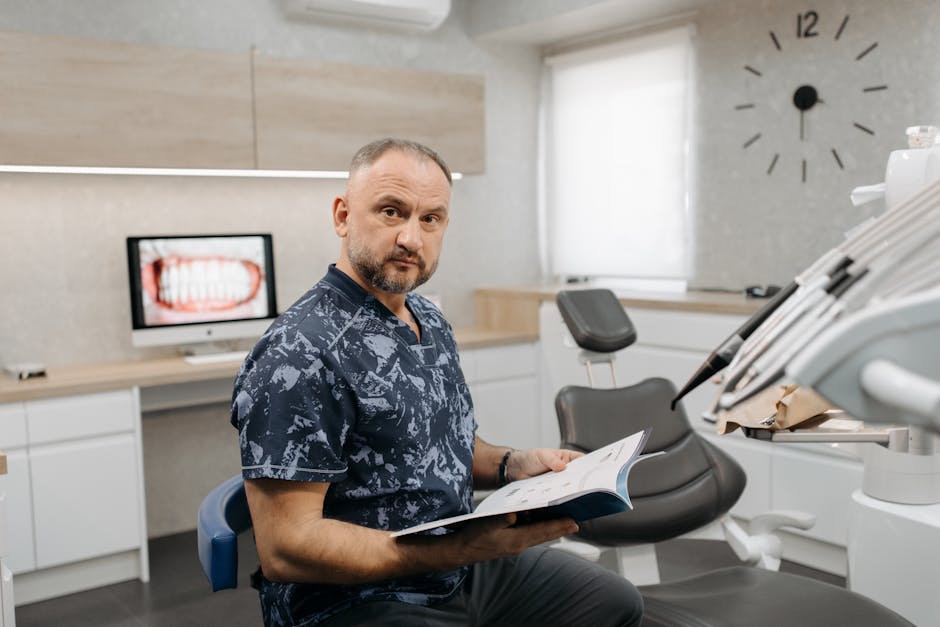
The good news is there are multiple powerful ways to create compelling dental practice video ads without ever having to appear on screen. Let’s explore your best options.
Option 1: Stock Footage & Text Overlays
This is often the easiest entry point for dental practices. You can license high-quality stock video clips featuring:
- Happy, diverse patients smiling and interacting.
- Modern, clean dental office environments.
- Gentle hands performing dental procedures (without showing faces).
- Advanced dental technology (digital x-rays, intraoral cameras).
- Relaxing scenes (e.g., calming music, serene landscapes) to address dental anxiety.
Combine these visuals with engaging text overlays, a professional voiceover (more on this later), and uplifting music. You can highlight key messages like “Experience Gentle Dental Care,” “Affordable Payment Plans Available,” or “Your New Smile Awaits.”
- Pros: Cost-effective, quick to produce, wide variety of visuals available.
- Cons: Can sometimes feel generic if not curated carefully; lacks a personal touch unless combined with other elements.
- Best for: General brand awareness, promoting special offers, addressing common patient fears like pain or cost.
Option 2: Animated Explainer Videos
Animation is a fantastic tool for patient education, especially for high-value services that require a deeper understanding. Imagine a short, engaging animation explaining:
- How dental implants work, step-by-step.
- The process and benefits of Invisalign.
- The difference between veneers and crowns.
- Sedation options for anxious patients.
These videos can simplify complex procedures, making them less intimidating and helping patients understand the value of investing in their oral health.
- Pros: Highly engaging, excellent for patient education, can simplify complex topics, completely avoids on-camera presence.
- Cons: Can be more expensive and time-consuming than stock footage videos, requires a clear script and storyboard.
- Best for: High-value services like implants, veneers, and clear aligners where patient education drives case acceptance.
Option 3: Patient Testimonial Videos (Without the Dentist)
Authentic social proof is incredibly powerful. You can film or record audio testimonials from happy patients, focusing on their stories and smile transformations.
- Focus on the emotional impact: “She hadn’t been to the dentist in 12 years — watch what happened when she finally came in.”
- Show before-and-after photos: A powerful visual when paired with a patient’s voiceover describing their journey.
- Address objections: Have patients talk about how your practice helped them overcome their fear of the dentist or found an affordable way to get the care they needed.
You don’t need to be in these videos, just facilitate the patient sharing their positive experience.
- Pros: Highly authentic, builds immense trust, directly addresses patient objections.
- Cons: Requires patient consent and willingness to share, good editing skills are crucial.
- Best for: Building social proof, showcasing results of cosmetic or restorative work, overcoming common fears and cost objections.
Option 4: AI Video Ad Generators (Like Alters)
This is perhaps the most innovative and game-changing option for dental practices looking to create professional video ads without ever being on camera. Platforms like Alters use artificial intelligence to generate realistic video ads with AI presenters.
Here’s how an AI video ad generator works:
- Write your script: You provide the text for your ad, focusing on your specific service and target patient (e.g., “If you’ve been putting off dental work because you’re scared, this is for you”).
- Choose an AI presenter: Select from a library of diverse, professional AI avatars. These presenters can be customized to match your brand’s aesthetic.
- Add visuals and branding: Integrate relevant stock footage, before/after images, your practice logo, and brand colors.
- Generate the video: The AI platform brings it all together, creating a polished video with a natural-sounding AI voiceover synchronized with the presenter’s movements.
This approach combines the personal touch of a presenter with the convenience of not needing a camera crew or even yourself on screen. It’s an excellent way to maintain a consistent, professional brand voice across all your video marketing efforts. Alters, for instance, allows you to create high-quality, scalable video content quickly and efficiently, giving you a massive advantage over competitors still stuck on traditional methods.
- Pros: Professional quality, scalable, cost-effective in the long run, consistent branding, completely eliminates the need for a camera, ideal for quickly testing different ad angles and hooks.
- Cons: Initial learning curve for new software, requires good scriptwriting to be effective.
- Best for: Creating educational content, promotional offers, addressing patient FAQs, and rapidly deploying new campaigns. It’s truly a comprehensive solution for dental practice video ads.
Here’s a quick comparison of these no-camera video ad options:
| Feature | Stock Footage & Text | Animated Explainer | Patient Testimonials (No Dentist) | AI Video Ad Generators (e.g., Alters) |
|---|---|---|---|---|
| Ease of Creation | High | Medium-Low | Medium | High |
| Cost (Initial) | Low | High | Medium | Medium (subscription model) |
| Personal Touch | Low | Low-Medium | High | Medium-High |
| Educational Value | Medium | High | Medium | High |
| Scalability | High | Low | Medium | High |
| Ideal Use Case | General awareness | Complex procedures | Social proof, trust building | Versatile, professional messaging |
Crafting Compelling Dental Video Ads (No Camera Required)
Regardless of the method you choose, the effectiveness of your video ad hinges on its content and strategy. Here’s how to create dental practice video ads that convert:
Identify Your Target Service & Patient
One of the biggest mistakes dental practices make is trying to market every service at once. This dilutes your message and confuses potential patients. Instead, run focused campaigns around one high-value procedure or a specific patient pain point.
- High-Value Services: Are you trying to attract more patients for dental implants, Invisalign, or cosmetic veneers? Each requires a tailored message.
- Specific Patient Needs: Are you targeting patients with severe dental anxiety? Those concerned about cost? Or those embarrassed about the state of their teeth after years away from the dentist?
By focusing, you can create a much more targeted and effective ad. For example, if you want more implant patients, your ad should speak directly to the pain of missing teeth and the joy of a restored smile.
Write a Script That Converts
A great script is the backbone of any effective video ad, even if no one is on camera. Your script needs to:
- Hook the Viewer Immediately: Grab attention in the first 3-5 seconds. Use hook styles like:
- “She hadn’t been to the dentist in 12 years — watch what happened when she finally came in.”
- “If you’ve been putting off dental work because you’re scared, this is for you.”
- “The real reason your teeth are getting worse isn’t what you think.”
- For more ideas, check out our video ad hooks for dental practices.
- Agitate the Problem: Connect with the patient’s pain points (e.g., embarrassment, difficulty eating, fear of pain, cost concerns, avoiding the dentist).
- Introduce Your Solution: Briefly explain how your practice (your mechanism: comprehensive dental care, advanced technology, comfortable experience) solves their problem. Highlight unique aspects like sedation options, gentle techniques, or flexible financing.
- Show the Desired Result: Paint a picture of the outcome – a healthy, confident smile; the ability to eat favorite foods; freedom from pain; feeling comfortable at the dentist.
- Call to Action (CTA): Tell them exactly what to do next.
Remember, the best scripts are conversational and empathetic. You can find ready-to-use templates and inspiration in our dental practice video ad scripts.
Visuals That Speak Louder Than Words
Your visuals are paramount when you’re not on camera.
- Stock Footage: Choose clips that are welcoming, professional, and convey comfort. Show happy patients, a clean and modern office, and the friendly faces of your team (even if it’s not you).
- Before & After Photos: These are incredibly powerful for cosmetic work or smile transformations. Always get patient consent!
- Animations: Use these for explaining complex procedures, as discussed earlier.
- Text Overlays: Reinforce key messages, display testimonials, or highlight special offers. Ensure text is easy to read and on-brand.
The goal is to create a visual journey that makes potential patients feel understood, hopeful, and excited about the possibility of improving their oral health.
The Power of Professional Voiceovers & AI Presenters
High-quality audio is often overlooked but is crucial for video ad success. A poorly recorded voiceover can make even the best visuals seem unprofessional.
- Professional Voice Actors: You can hire voice actors on platforms like Fiverr or Upwork to record your script.
- AI Voice Generators: Many AI video platforms, including Alters, offer incredibly natural-sounding AI voices. This is a cost-effective and scalable way to ensure consistent, high-quality audio.
- AI Presenters: As mentioned, tools like Alters allow you to select a lifelike AI presenter to deliver your message. This adds a human touch without requiring you to be on camera, and it’s particularly effective for educational content or direct calls to action. For more on this, explore our guide on AI video ads for dental practices.
Crafting Your Call to Action (CTA)
Your CTA must be clear, compelling, and easy to act on. Avoid vague instructions.
- Overcome Objections: Use CTAs that address common patient objections directly.
- “Book your free consultation and smile assessment — see what’s possible for your smile, with zero pressure.” (Addresses cost/commitment fears)
- “Call today and mention this video to get a complimentary second opinion on any treatment plan.” (Addresses trust/second opinion needs)
- “Schedule your new patient appointment online in 30 seconds — evening and weekend hours available.” (Addresses convenience)
- Multiple Options: Offer different ways to connect (phone, online form, text).
- Urgency/Scarcity (if applicable): “Limited spots available this month!”
Distributing Your Dental Practice Video Ads for Maximum Impact

Creating a great video ad is only half the battle. You need to put it in front of the right people. Here are the best platforms for dental practice video ads:
Meta (Facebook & Instagram)
Meta platforms offer robust targeting capabilities, allowing you to reach potential patients based on:
- Location: Target within a specific radius of your practice.
- Demographics: Age, income, family status.
- Interests: People interested in health, wellness, beauty, self-improvement.
- Behaviors: Those who have recently moved, or are likely to spend on certain services.
- Retargeting: Show ads to people who have visited your website but haven’t booked an appointment yet.
Video ads perform exceptionally well on Meta, capturing attention in busy feeds.
YouTube
As the second-largest search engine, YouTube is ideal for reaching people actively searching for dental information or solutions.
- In-Stream Ads: Your video plays before or during other videos.
- Discovery Ads: Appear in YouTube search results or alongside related videos.
- Targeting: Target based on keywords (e.g., “dental implants cost,” “Invisalign dentist near me”), specific channels, or demographics.
TikTok
If your practice wants to connect with a younger demographic or create more casual, engaging content, TikTok is a powerful platform. Short, authentic videos (even using stock or animated content) can go viral and build brand awareness.
Google Business Profile & Website
Don’t forget to leverage your own digital assets!
- Google Business Profile (GBP): Upload your video ads directly to your GBP. This is often the first thing patients see when searching for a dentist, and a compelling video can make a huge difference. Neglecting your GBP is one of the biggest marketing mistakes a dental practice can make.
- Your Website: Embed your video ads on relevant service pages, your homepage, and your “About Us” page to enhance engagement and trust.
Measuring Success & Optimizing Your Campaigns
Spending thousands on marketing with no way to track which campaigns actually brought in paying patients is a huge fear for practice owners. With video ads, you can track precise metrics to ensure a positive ROI.
Key Metrics to Track:
- Impressions: How many times your ad was seen.
- Reach: How many unique people saw your ad.
- Clicks (CTR): The percentage of people who clicked on your ad.
- Landing Page Views: How many people visited your website after clicking.
- Cost Per Click (CPC) / Cost Per Lead (CPL): How much you’re paying for each click or lead.
- Conversions: The ultimate goal – how many people filled out a form, called your office, or scheduled an appointment directly from the ad.
- New Patients Acquired: Track which patients specifically mention seeing your video ad or come from a campaign-specific tracking number.
Optimizing Your Campaigns:
- A/B Test Everything: Experiment with different hooks, visuals, CTAs, and even different AI presenters (if using a platform like Alters). You might find one ad angle performs significantly better than another.
- Refine Targeting: Continuously adjust your audience targeting based on who is responding best to your ads.
- Analyze Performance: Regularly review your data to see what’s working and what’s not. Don’t be afraid to pause underperforming ads and launch new variations.
Your Practice Deserves a Full Schedule
The fear of being on camera should never be a barrier to leveraging the power of video advertising for your dental practice. You now have multiple viable and effective strategies to create compelling dental practice video ads without ever needing to appear on screen.
Imagine a consistent flow of quality new patients, higher case acceptance rates on those premium services, and a recognizable local brand that patients trust and choose, even when a cheaper option is available. This isn’t just a dream; it’s an achievable reality with strategic video marketing.
What to do next:
- Identify Your Top Priority: Which high-value service or patient pain point do you want to address first with video ads?
- Outline Your First Script: Focus on a strong hook, problem, solution, and clear CTA.
- Explore Your Options: Consider starting with stock footage and text, or dive directly into the power of AI video generators like Alters to create professional, scalable content.
- Start Small, Test, and Scale: Don’t aim for perfection right away. Launch a few ads, analyze the results, and iterate.
Your practice has so much to offer. Let video advertising tell your story, attract your ideal patients, and help you achieve the thriving, full schedule you deserve.