
Are your dental chairs sitting empty for hours, costing your practice hundreds of dollars per hour in overhead? Are you constantly battling against corporate dental chains that outspend you 10-to-1 on marketing, forcing you to compete on price instead of quality? If your new patient flow is inconsistent, or you’re struggling to attract patients for high-value services like implants and Invisalign, video advertising is likely on your radar.
It should be. Video is hands-down the most powerful way to connect with potential patients, build trust, and showcase what makes your practice special. But here’s the kicker: most dental practices are making the same costly mistakes with their video ads, turning a powerful patient acquisition tool into a money pit.
You’re not alone if you’ve tried video ads and felt like you were just throwing money away. Many practice owners struggle to translate the unique benefits of their comprehensive dental care into compelling, conversion-driving video content. They might be neglecting their Google Business Profile, marketing every service at once, or failing to follow up with patients who expressed interest – all common revenue leaks in dentistry.
This article will pull back the curtain on the biggest mistakes dental practices make with video advertising and, more importantly, show you exactly how to fix them. By avoiding these pitfalls, you can start attracting a full schedule of quality new patients who accept comprehensive treatment plans and become loyal, long-term advocates for your practice.
Mistake #1: Marketing on Price, Not Value (Attracting Deal-Seekers, Not Loyal Patients)
One of the most common and damaging errors dental practices make with video advertising is leading with price. Offering free cleanings, $99 specials, or deeply discounted exams might seem like a quick way to get people in the door, but it’s a race to the bottom that ultimately squeezes your margins and attracts the wrong kind of patient.
The Problem with Chasing Cheap Leads
When your video ads focus on low prices, you attract “deal-seekers” – patients who are primarily motivated by cost. These individuals are often not committed to comprehensive treatment plans, have low case acceptance rates, and are quick to jump to the next practice offering a cheaper deal. They don’t value the quality of your care, your state-of-the-art technology, or the comfort of your patient experience.
This strategy leads to:
- Low-value patients: They fill your schedule but don’t contribute significantly to your practice’s profitability, leaving those $500+/hour empty chairs feeling even more painful.
- Poor retention: They’ll leave as soon as a cheaper option appears, making it hard to build a stable, recurring patient base.
- Brand dilution: Your practice becomes known for being “cheap” rather than “quality,” making it harder to attract high-value cases like implants, veneers, or clear aligners.
Think about it: do you want to be the cheapest dentist in town, or the best? Your video ads should reflect the latter.
How to Shift to Value-Based Video Ads
Instead of price, use your video ads to showcase the value of your services and the benefits of choosing your practice. Focus on what truly matters to patients:
- Emotional Transformations: Use before-and-after smile transformations. Don’t just show the teeth; show the patient’s newfound confidence, joy, and improved quality of life. This taps into the emotional impact of a healthy, beautiful smile.
- Patient Comfort & Experience: Highlight your comfortable office environment, friendly team, sedation options, and gentle techniques. This directly addresses the common fear of dental pain and discomfort.
- Advanced Technology: Showcase technologies like iTero digital impressions, intraoral cameras, or laser dentistry. Explain how these tools lead to more precise, comfortable, and efficient treatment.
- Personalized Care: Feature your dentists and team members. Let their personalities shine through. Patients want to feel like they’re part of a family, not just another number in a corporate chain.
Your video scripts are crucial here. Instead of “Get a $99 Cleaning!”, try “She hadn’t been to the dentist in 12 years — watch what happened when she finally came in” or “Rediscover your confident smile with our gentle, personalized care.” You can find excellent templates and ideas to craft compelling, value-driven narratives on our page dedicated to dental practice video ad scripts.
Mistake #2: Neglecting Patient Comfort and Education (Ignoring Dental Anxiety)
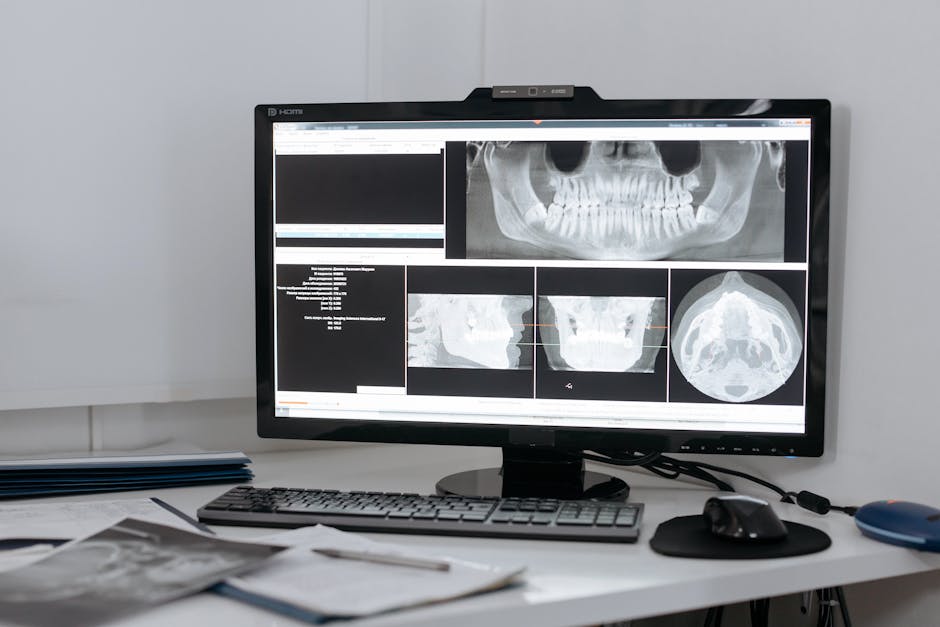
For many people, the thought of a dental visit conjures up images of pain, discomfort, and embarrassment. This deep-seated dental anxiety is one of the biggest barriers to new patient acquisition. If your video ads don’t address this head-on, you’re missing a massive segment of potential patients.
Why Dental Anxiety Kills Your Patient Flow
A significant portion of the population avoids the dentist for years due to fear. They’re embarrassed about the state of their teeth, dread the potential pain, or simply had a bad experience in the past. These are the patients who desperately need care, but their fear keeps them away. If your video ads only show perfect smiles and shiny equipment without acknowledging this common pain point, you’ll simply reinforce their existing anxieties.
The “I’m terrified of the dentist and the pain — I’d rather avoid it entirely” objection is powerful. Your marketing needs to be a bridge, not a barrier.
Creating Reassuring Video Content
Video is the perfect medium to demystify dentistry and alleviate fears. Use your video ads to:
- Showcase Your Office Environment: Give a virtual tour. Highlight comfortable waiting areas, private treatment rooms, and any amenities designed for relaxation (blankets, headphones, TVs).
- Introduce Your Friendly Team: Let your dentists, hygienists, and front office staff introduce themselves. A warm smile and a friendly demeanor can do wonders to reduce apprehension.
- Explain Sedation Options: If you offer nitrous oxide, oral sedation, or IV sedation, clearly explain these options and how they can make a visit comfortable and stress-free.
- Demystify Procedures: Use animations or simple explanations to break down common procedures like fillings or root canals. Show that they don’t have to be scary.
- Share Testimonials from Anxious Patients: Nothing is more powerful than hearing from someone who used to be terrified of the dentist but now loves visiting your practice.
Even if you’re camera-shy or don’t have the budget for a full production crew, tools like Alters can help. Alters is an AI video ad generator that lets you create professional, comforting videos using AI presenters. These AI presenters can walk potential patients through your office, explain sedation options, or introduce your team, all without you needing to be on camera. This allows you to address dental anxiety directly and effectively, making your practice feel more approachable and trustworthy.
Mistake #3: Lack of Specificity – Trying to Market Everything at Once
Imagine a patient searching for “Invisalign near me” or “dental implants cost.” If your video ad pops up and talks about general dentistry, cleanings, and emergency services, it’s irrelevant to their specific need. This lack of focus is one of the biggest mistakes dental practices make with video advertising, leading to wasted ad spend and low conversion rates.
The “Jack of All Trades, Master of None” Ad Trap
Many practices try to cram every service they offer into a single video ad. The result is a generic, unfocused message that fails to resonate with anyone. When you try to market everything, you market nothing effectively. Patients today are looking for solutions to specific problems, and they expect advertising to be tailored to those needs.
This generic approach contributes directly to an inconsistent new patient flow. You’re not speaking directly to the high-value patients who are actively searching for solutions to complex problems like missing teeth or crooked smiles. High-value services like implants, Invisalign, and cosmetic work require patient education that’s hard to convey in a text ad, and impossible to convey effectively in a broad, unfocused video.
How to Focus Your Video Ad Campaigns
The most effective video advertising campaigns are highly targeted, focusing on one or two specific services or patient pain points. Here’s how to do it:
- Identify High-Value Services: What procedures do you want to perform more of? Implants, veneers, clear aligners, full mouth reconstructions? These are your targets.
- Create Dedicated Campaigns: Develop separate video ad campaigns for each high-value service.
- Tailor Your Message:
- Implants: Focus on restoring function, confidence, and preventing bone loss. Showcase before/after (if possible), explain the process, and address cost objections by breaking down financing options.
- Invisalign/Clear Aligners: Highlight discreet straightening, improved oral health, and the emotional impact of a confident smile. Use patient testimonials or “day in the life” videos.
- Cosmetic Dentistry: Emphasize smile transformations, aesthetic benefits, and the impact on social and professional life.
Here’s a quick comparison of generic vs. targeted video ad approaches:
| Feature | Generic Video Ad | Targeted Video Ad (e.g., Dental Implants) |
|---|---|---|
| Headline | ”Your Family Dentist for All Your Needs!" | "Missing Teeth? Rediscover Your Confident Smile with Dental Implants!” |
| Visuals | Shots of various procedures, happy families | Clear visuals of implant process, before/after, smiling patients |
| Message Focus | Broad overview of all services | Specific benefits of implants (function, aesthetics, longevity) |
| Patient Pain | General dental health concerns | Difficulty eating, embarrassment, bone loss |
| Call to Action | ”Call to Schedule Your Appointment!" | "Book Your Free Implant Consultation & Smile Assessment!” |
| Target Audience | Everyone | Adults with missing teeth or seeking permanent tooth replacement |
You can find specific hooks and creative angles for these focused campaigns in our extensive library of dental practice video ad hooks. Remember, the more specific your ad, the more likely it is to resonate with the right patient.
Mistake #4: Ignoring the Power of Testimonials and Social Proof
In today’s digital age, patients trust other patients more than they trust advertising. Word-of-mouth has gone digital, and social proof in the form of reviews and testimonials is paramount. One of the biggest mistakes dental practices make is failing to leverage the powerful impact of patient stories in their video advertising.
Why Authenticity Builds Trust
When a potential new patient is deciding between your practice and a competitor, they’re looking for reassurance. They want to know that others have had positive experiences, that their fears will be understood, and that the results will be worth the investment.
- Overcoming Objections: Video testimonials can directly address common objections like “Dental work is too expensive” (by sharing payment plan success stories) or “I’m terrified of the dentist” (by featuring a patient who overcame their anxiety at your practice).
- Building a Local Brand: Authentic patient stories help establish your practice as a trusted, recognizable local brand. This can be a huge differentiator against faceless corporate chains and can help you attract patients even when a cheaper option is available.
- Combatting Negative Reviews: While you can’t control every review, a strong collection of positive video testimonials can help mitigate the impact of a single negative Google review that might otherwise scare away dozens of potential patients.
Getting and Using Video Testimonials Effectively
Collecting video testimonials doesn’t have to be complicated or expensive.
- Ask Happy Patients: Simply ask patients who have just completed treatment and are thrilled with their results if they’d be willing to share their experience.
- Keep it Simple: A quick video recorded on a smartphone in your office can be incredibly effective. Authenticity trumps high production value here.
- Guide Their Story: Prompt patients with questions like:
- “What was your experience like before coming to our office?”
- “What made you choose us?”
- “How do you feel about your smile/oral health now?”
- “What would you tell someone who is nervous about dental work?”
- Showcase Results: If possible, include before-and-after photos or short clips within the testimonial video to visually demonstrate the transformation.
If getting patients on camera is a challenge, or you want to maintain patient privacy while still conveying the impact of their stories, consider using an AI video ad generator like Alters. Alters can help you create compelling case studies where AI presenters narrate patient success stories, using anonymized details or general scenarios to highlight your practice’s positive impact. This allows you to leverage the power of testimonials even without direct patient interviews.
Mistake #5: Setting and Forgetting – No Clear Call to Action or Follow-Up Strategy
You’ve created a fantastic video ad that addresses patient fears, showcases your value, and highlights a specific high-value service. It’s getting views! But if you don’t have a clear path for potential patients to take after watching your ad, and a robust system to follow up, all that effort and ad spend could be wasted. This is arguably one of the biggest revenue leaks for dental practices.
The Missing Link: Your Call to Action
Many dental practice video ads end abruptly or with a generic “Visit our website.” This is a huge missed opportunity. Your Call to Action (CTA) must be crystal clear, specific, and easy for the viewer to act on immediately.
Think about the desired result: a full schedule of quality new patients. Your CTA should directly facilitate that.
- Specificity is Key: Instead of “Call Us,” try “Call Today to Book Your Free Consultation and Smile Assessment.”
- Offer an Incentive: “Mention this video to get a complimentary second opinion on any treatment plan.”
- Multiple Options: Provide various ways to book: phone, online scheduler, text.
- Sense of Urgency (if appropriate): “Limited evening and weekend appointments available – schedule online in 30 seconds.”
Here are some effective CTA patterns you can adapt:
- “Book your free consultation and smile assessment — see what’s possible for your smile, with zero pressure.”
- “Call today and mention this video to get a complimentary second opinion on any treatment plan.”
- “Schedule your new patient appointment online in 30 seconds — evening and weekend hours available.”
- “Text SMILE to book your appointment — we’ll respond in under 5 minutes with available times.”
The Critical Role of Follow-Up
Even with a perfect CTA, most patients won’t book on the first interaction. They might be busy, need to check their schedule, or want to discuss it with a family member. This is where a strong follow-up strategy becomes invaluable.
- Immediate Response: If someone calls or fills out a form, respond quickly. Studies show that the faster you respond, the higher your conversion rate.
- Automated Sequences: For those who download a guide or express interest online, set up an automated email or SMS sequence that provides more information, answers common questions, and gently reminds them to book.
- Personalized Outreach: For high-value leads (e.g., someone interested in implants), a personalized phone call from your patient coordinator can make all the difference.
- Tracking: Ensure you have systems in place to track which campaigns are bringing in leads and which leads are converting into paying patients. This prevents “spending thousands on marketing with no way to track which campaigns actually brought in paying patients.”
Remember, patients who received treatment plans but didn’t schedule represent the biggest revenue leak in dentistry. Your video ads can generate these leads, but your follow-up system is what closes the gap and fills your schedule.
Don’t Let These Mistakes Cost Your Practice New Patients
The landscape of dental marketing is more competitive than ever, with corporate chains and online aggregators vying for your patients. But independent practices have a secret weapon: their unique personality, personalized care, and commitment to the community. Video advertising is the most effective way to communicate these strengths, but only if you avoid the biggest mistakes dental practices make.
By shifting your focus from price to value, addressing patient anxiety head-on, creating targeted campaigns for high-value services, leveraging authentic patient testimonials, and implementing clear CTAs with robust follow-up, you can transform your video advertising from a costly experiment into a powerful engine for patient growth.
Imagine a full schedule of quality new patients who trust your practice, accept comprehensive treatment plans, and become long-term advocates. This isn’t just a dream; it’s an achievable reality when you master your video advertising strategy.
What to Do Next: Your Action Plan for Better Dental Video Ads
Ready to turn those empty chairs into a bustling, profitable practice? Here’s your action plan:
- Audit Your Current Ads: Look at your existing video ads (or plans for them). Are you making any of the 5 mistakes outlined above? Be honest with yourself.
- Identify Your High-Value Focus: Choose 1-2 high-value services (e.g., implants, Invisalign, cosmetic veneers) that you want to promote.
- Craft a Targeted Message: Develop a video ad concept that focuses specifically on that service, addresses patient fears related to it, and highlights the unique value of your practice. Remember, you don’t need a huge production budget. Authentic, smartphone-recorded videos can be incredibly effective.
- Leverage AI for Efficiency: If you’re hesitant about being on camera or need to scale your video content, explore an AI video ad generator like Alters. It can help you create professional, engaging video ads without needing a camera crew or even being on camera yourself, allowing you to quickly test different messages and angles.
- Refine Your CTA & Follow-Up: Ensure every video ad has a clear, compelling call to action. Then, map out your follow-up process for leads generated by your video campaigns.
Stop letting common video advertising mistakes hold your practice back. Start implementing these strategies today and watch your patient flow transform.